
Post-Injury Personal Training: How to Safely Return to Movement

If you’re searching for post-injury rehab training in San Diego because you’ve finished physical therapy but don’t quite feel “back,” this is the in-between step you’ve been looking for. At Sweat Society in Hillcrest, I help you rebuild mobility, strength, and confidence after an injury through personalized sessions that prioritize safe movement, form correction, and neurological muscle re-education — so you can return to the activities you love without fear of re-injury.
“Pain is your body’s way of asking for attention, not punishment. My job is to listen, correct, and rebuild strength that lasts.” – Neely
My Approach to Post-Injury Training
Hi, I’m Neely — owner of Sweat Society in Hillcrest, San Diego. After nearly two decades of personal training, rehab therapy in San Diego, and functional health coaching, I’ve seen the same pattern over and over: people complete PT, get “cleared,” but still don’t feel ready to lift, run, surf, hike, or even sit at their desk without pain.
That’s where post-injury personal training comes in. I work with clients who have completed physical therapy but still experience weakness, instability, or compensations. My goal is to blend personal training services with rehab-informed methods — so you get stronger, but you also get safer.
The Gap Between Physical Therapy and Real-Life Movement
Physical therapy is essential. It restores function, reduces pain, and protects injured tissues. But it’s often limited to the clinic — controlled environments, isolated exercises, and short timeframes.
Real life isn’t like that.
You still have to:
Carry groceries up stairs
Pick up kids
Lunge, twist, or squat at odd angles
Get back to surfing, Pilates, lifting, or work
This is where a lot of people get hurt again — because their body was “cleared” but not actually prepared.
Post-Injury Training Bridges the Gap
At Sweat Society, we retrain your body to handle real-world movement patterns — progressively and safely. Whether it’s going up stairs without pain or getting back to the gym, I guide you through every phase.
What “Post-Injury” Really Means
Being “post-injury” isn’t just about a torn ligament or a surgery. It also includes chronic pain, old compensations, and nervous system “guarding” that never fully went away.
Common post-injury issues I help with:
Shoulder impingement and rotator cuff weakness
low back pain therapy needs (especially from sitting or past injuries)
Post-surgical recovery (ACL, hip, spinal) → post-surgery rehab training in San Diego
Sciatica or nerve-related pain
Ankle sprains, knee tracking issues
Muscle inhibition after a cast or immobilization
Every program starts with identifying what’s overworking and what’s underworking — and then fixing it.
How I Rebuild Strength After Injury
The key to safe recovery isn’t just “moving again.” It’s moving correctly.
Step 1: Assessment and Baseline Testing
We start with a detailed movement and stability assessment in my private personal training San Diego studio. I look for asymmetries, mobility restrictions, and compensations that could cause your pain to come back.
Step 2: Neurological Muscle Re-education
This is where I’m different from most trainers. I integrate NerveOTX, ARPNeuro therapy, and ARPWave therapy in San Diego (ARPwave) to “wake up” muscles that shut down after injury. This type of neurological muscle re-education in San Diego speeds up recovery, improves joint stability, and reduces pain — which is why it’s such a powerful layer inside rehab therapy in San Diego.
Step 3: Progressive Strength Training
Once your muscles are firing again, we layer in strength — slowly and intelligently. Every movement, load, and range of motion is chosen for your injury, your pain level, and your healing timeline.
Step 4: Functional Movement Integration
This is where we move from “clinic-style” motions to real-life movement. We rebuild your ability to lunge, rotate, reach, push, and pull — without your body freaking out or compensating.
Why Private Personal Training Is Essential After Injury
Post-injury bodies need eyes on them. This is not the time for big group classes or fast-paced workouts. In my studio:
You get 100% of my attention
I correct every rep
We work within your pain threshold
I can adapt your workout in real time
This is especially important if you’re coming back from surgery, a car accident, or a long-standing pain condition. Your body needs holistic personal training San Diego — not punishment.
The Importance of Retraining Your Nervous System
After an injury, the brain often “turns off” certain muscles to protect the area. That’s helpful at first — but if they stay off, other muscles will overwork and your pain just shifts somewhere else.
Using ARP-based tools like nerveOTX therapy San Diego and ARPneuro therapy, we retrain the brain-body connection so your muscles start firing again. Once the nervous system feels safe, strength gains come faster — and movement feels effortless again.
That’s the difference between standard personal trainer in San Diego sessions and what I do at Sweat Society.
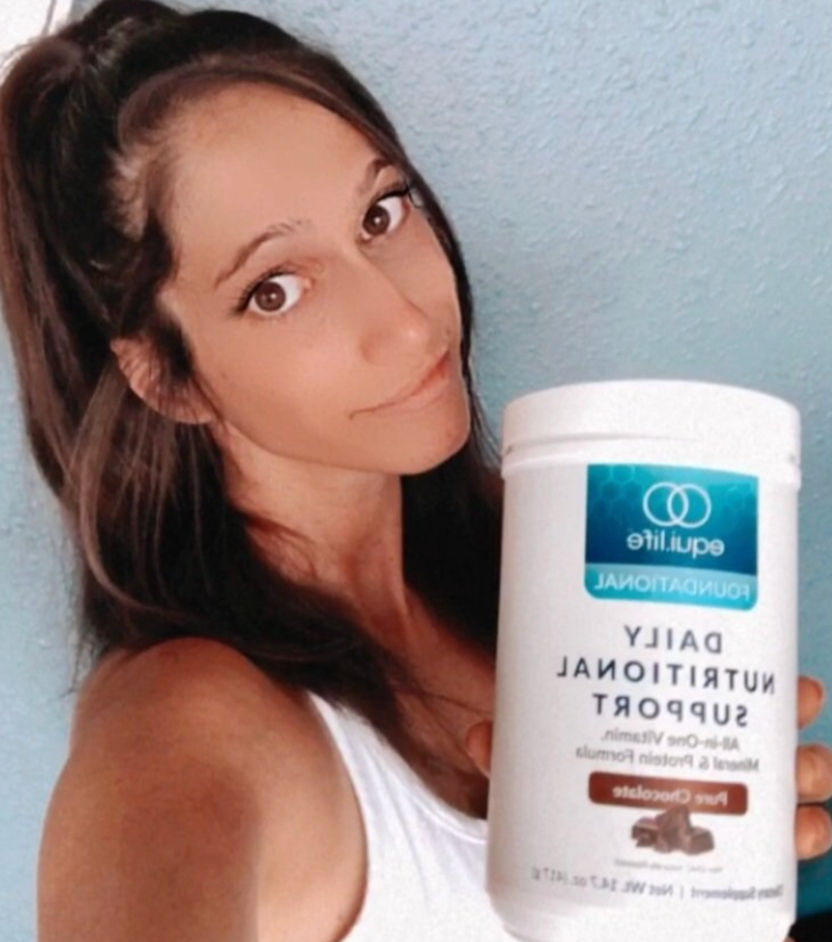
Holistic Layers That Support Recovery
Recovery isn’t just physical. Sometimes the reason you’re healing slowly has to do with inflammation, hormones, or stress. That’s why I’ll sometimes bring in:
functional lab testing to look at hidden inflammatory or hormonal barriers
holistic nutrition in San Diego support for tissue repair and energy
Stress and sleep coaching so your body actually has the capacity to heal
Your body can’t rebuild if it’s stuck in fight-or-flight. We fix that, too.
Common Injuries I Help Clients Overcome
I regularly help clients with:
ACL and knee reconstructions
Shoulder impingement, rotator cuff, or labrum issues
Spinal surgery and core re-stabilization
Chronic low back or SI joint pain
Postpartum pelvic instability
Ankle, calf, or Achilles injuries
Sports strain → sports injury rehab in San Diego
Each recovery path is unique, but the objective is always the same: restore balance, function, and confidence.
Training in a Private, Safe Studio Environment
Sweat Society is a private studio in Hillcrest (1727 University Ave.) designed specifically for people who want to train without the chaos of a big gym.
You’ll get:
A quiet, sanitized space
Easy access and parking
Specialized recovery equipment
One-on-one attention from start to finish
For post-injury clients, especially those nervous about re-injury, that privacy makes all the difference.
The Emotional Side of Returning to Movement
Injury isn’t just physical — it changes how you trust your body. A lot of people are scared to move again because they don’t want to “mess it up.”
Part of my job is to rebuild that trust. We go at a pace that feels safe. I explain why we’re doing each movement. And I show you how to listen to your body instead of ignoring it.
When you realize, “I can squat again,” or “I can lift my arm without pain,” your identity shifts — from “I’m injured” to “I’m strong again.”
Why My Post-Injury Approach Works
Experience: Nearly 20 years working with post-injury and pain clients
Integration: I blend rehab therapy in San Diego with strength training
Science-Backed Tools: NerveOTX, ARPneuro, ARPwave
Holistic Strategy: Movement + nutrition + nervous system support
It’s not just about getting you out of pain. It’s about keeping you out of pain.
Who This Program Is For
This type of post-injury personal training is ideal for:
Clients who finished PT but still feel weak or unstable
Athletes returning to sport
People with chronic knee, shoulder, or back pain
Anyone afraid of getting hurt again
People who want to return to strength training safely
If you’ve ever said, “I’m scared to work out because I don’t want to get hurt again,” this is for you.
FAQs
1. What’s the difference between physical therapy and post-injury personal training? Physical therapy restores function after injury. Post-injury personal training bridges the gap between rehab and real-life strength, helping you return to daily movement and workouts confidently.
2. Can I start training if I still have some pain? Yes. I design sessions around your current pain level, using safe, corrective movement and pain relief therapy San Diego principles to reduce flare-ups.
3. What kinds of injuries do you work with? I work with orthopedic surgeries, spinal issues, chronic low back pain, shoulder problems, knee tracking, and sports injuries — often after your PT ends.
4. Do you use rehab technologies during training? Yes. I integrate nerveotx therapy, ARPNeuro therapy, and other nervous-system-based tools to speed up recovery and restore muscle activation.
5. Where are you located? Sweat Society is in Hillcrest, San Diego, near Balboa Park, North Park, and Bankers Hill, with easy parking and private sessions.

Recovery doesn’t end when physical therapy does — that’s where it begins.
At Sweat Society in Hillcrest, I help you bridge that critical gap safely. Whether you’re coming back from surgery, managing chronic pain, or learning to move again after years of guarding, post-injury rehab training in San Diego gives you a structured, compassionate path forward.
With personalized care, advanced rehab tools, and one-on-one attention, you’ll rebuild strength, stability, and trust in your body — one session at a time.
Claim Your Customized Plan:
Stop guessing. Start thriving.
Book now and experience the difference of holistic, evidence-based personal training.


Comments